


R32 Leak Detection Solutions
Enquire Now
Advanced Safety Framework for R32 in Panasonic Mini-VRF Systems
Safe Usage of R32 in Panasonic R32 Mini-VRF systems
R32 being a mildly flammable refrigerant (category A2L), the design and installation of systems operating with R32 must comply with the relevant refrigerant safety regulations .The restrictions imposed on the refrigerant charges in a system due to the flammability of R32 are more severe than those imposed by toxicity, ensuring that normal installations remain far below any harmful concentration. The indoor unit is safe to use, with the leak detector/alarm available as an optional additional safety feature.

Available solutions
- Built-in Leak Detection as standard (Ducted MM and MF units)
- Optional Low-Level Audible only Leak Detection Alarm Kit CZ-CGLALC1 (Cassette MY and MU, Wall MK)
- Optional Low-Level Leak Detection and Audible Alarm CZ-CGLSC2 (all units)
- Optional External Power Supply for Low Level Alarms
- Optional Valve Kits for 2 Pipe Heat Pump CZ-P1160SVK
- Optional HR Boxes including Valve Kits for 3 Pipe Heat Recovery CZ-P1160SVHR
- Optional Pump Down Kit for LZ2 Mini VRF PAW-PUDWB-1
CZ-CGLSC2 – Low Level Leak Detection and Alarm
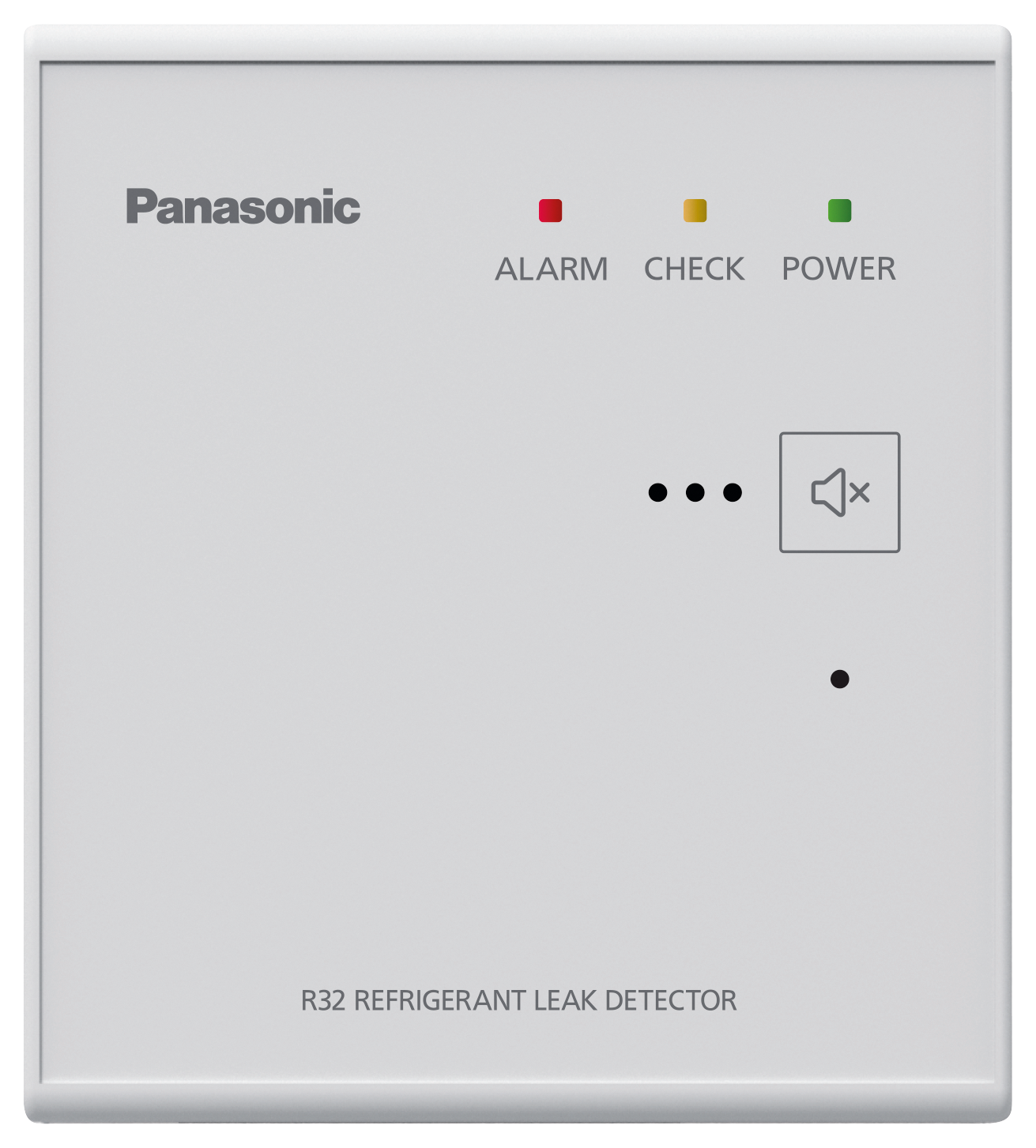
Leak detector designed for MU2 4 way 90×90 cassettes, MY3 4 way 60×60 cassettes, and MK3 wall‑mounted units. Note that these units do not come with an integral leak detector.
This optional R32 refrigerant leak detector (CZ‑CGLSC2) is available for compatible indoor units, allowing customers to determine if the detector is required for safety compliance or if the indoor unit can be installed without it.
This sensor includes an integrated alarm buzzer and can connect to a central alarm system. It links to the indoor unit’s remote control terminals and is compatible with any VRF remote controllers, wired or wireless.
CZ-CGLALC1 – Low Level Leak Alarm only
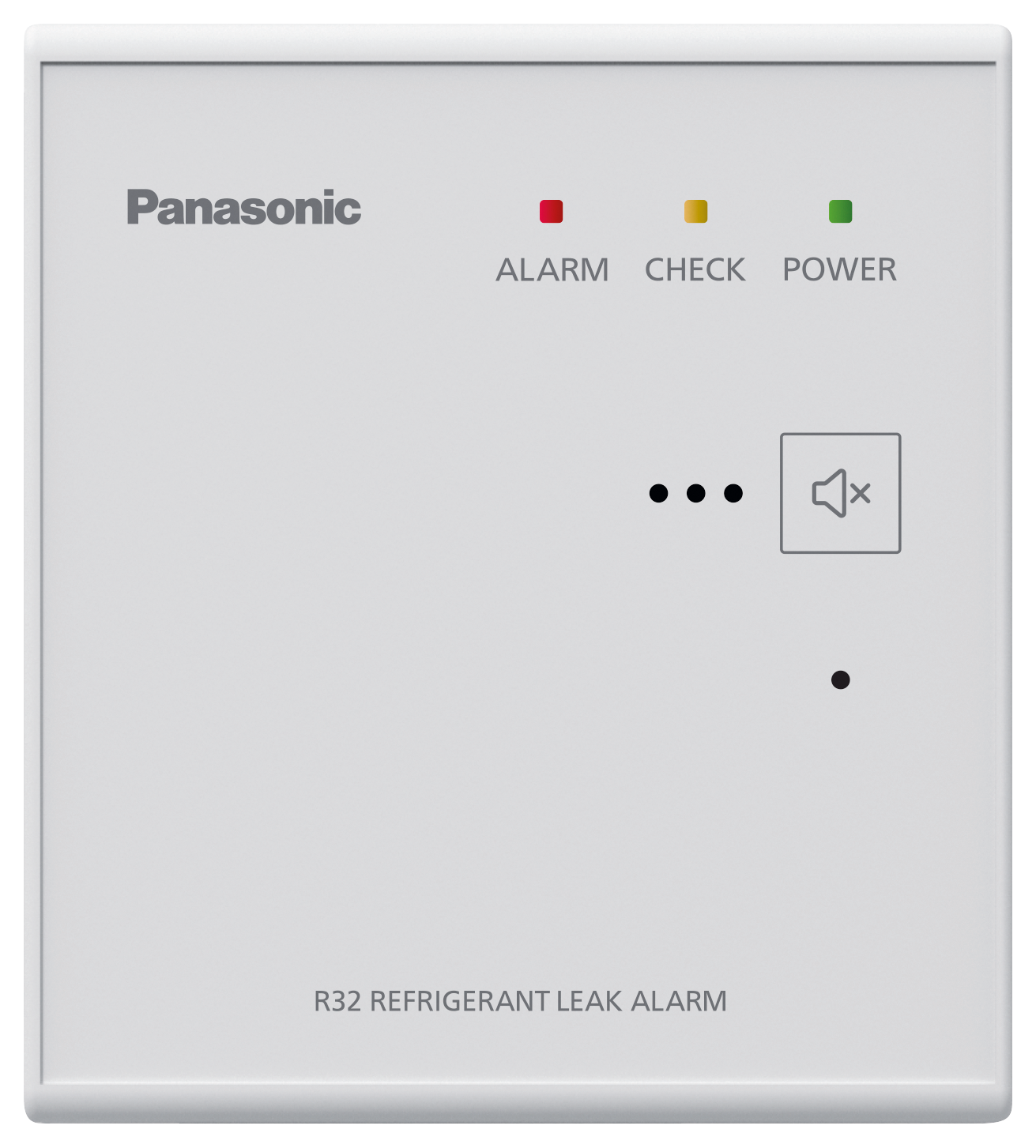
R32 refrigerant leak alarm only (not a detector) designed for adaptive MF3 duct, MM2 slim duct, MP2 floor standing and MR2 concealed floor standing. These units already include an integral Leak Detector (contained as standard within the unit) and therefore do not need a second detector. In this instance you only need to select this product for compliance. This solution when combined with these indoor units offers you a Detector (built-in) and Alarm (separate product)
PAW-16DC-ALC1 – External Power Supply
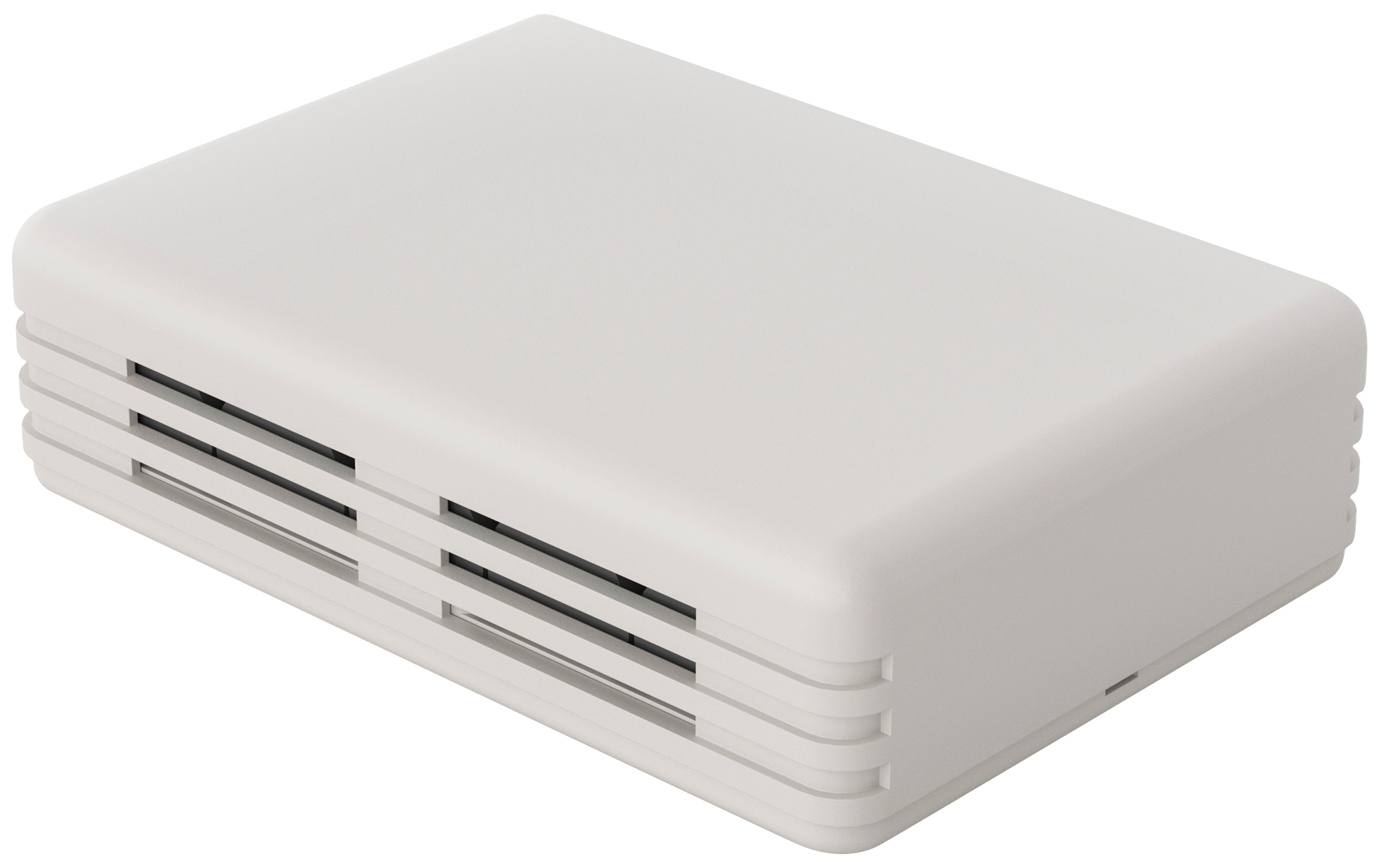
External 16 V power supply (EN 378 compliant), including a leak alarm for remote locations (can be used to add additional leak detection to areas where equipment such as HR Boxes and Safety Valve Kits are located. The leak alarm can be deactivated.
CZ-P1160SVK – 2-pipe safety valve kit
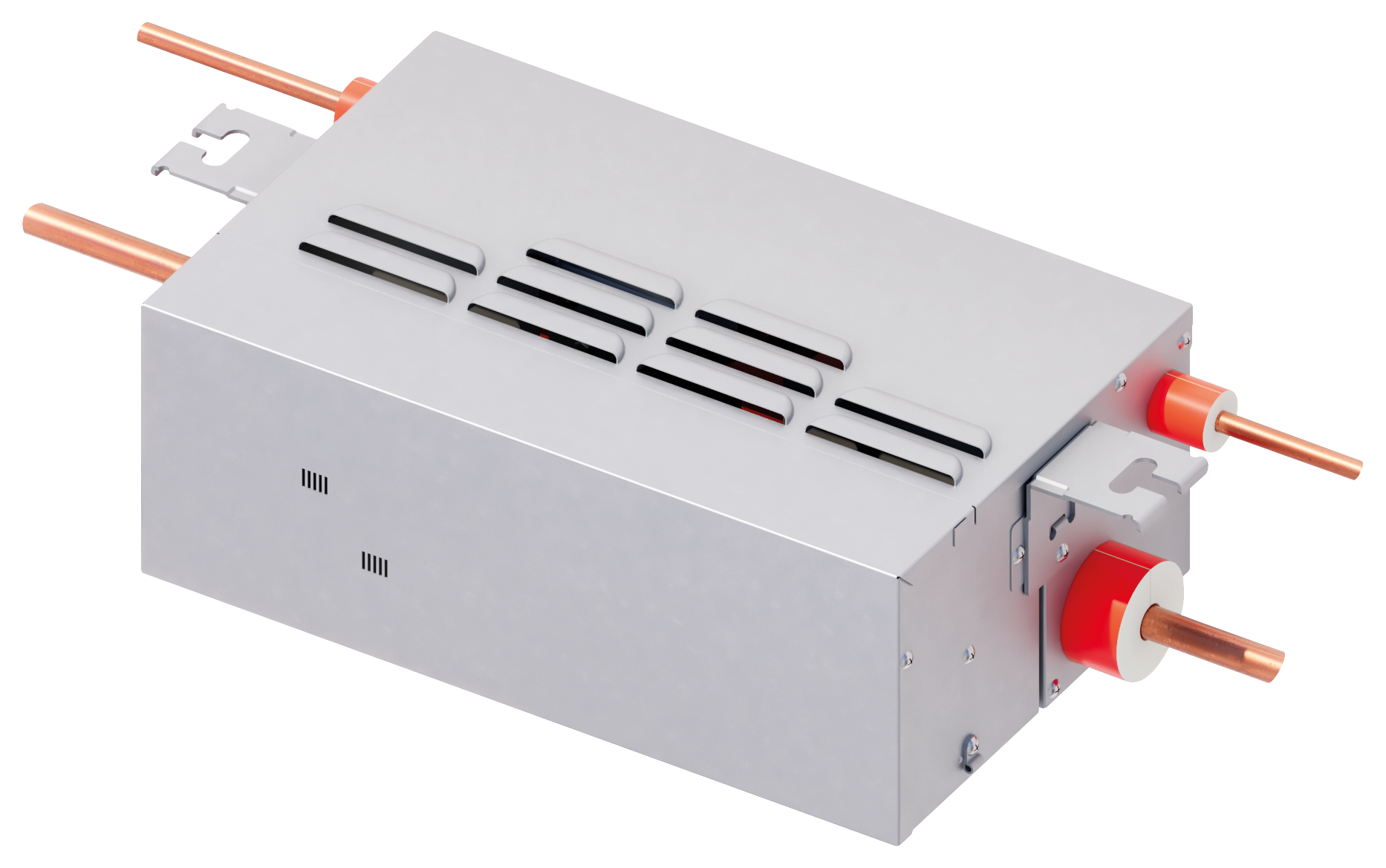
The safety valve manages the shutdown of only the area / zone experiencing a refrigerant leak, instead of shutting down the whole 2‑Pipe Heat Pump ECOi EX system.
One safety valve can be added to the entire system in the event of a leak, locally to one indoor unit or a combination of the two (example: one safefy valve per indoor unit). Care must be taken to ensure that the remaining potential refrigerant charge between valves and indoor unit/s does not exceed the charge limit calculation. Not compatible with Mini VRF Lz2 systems.
CZ-P1160SVHR – 3-pipe heat recovery box with safety valve kit
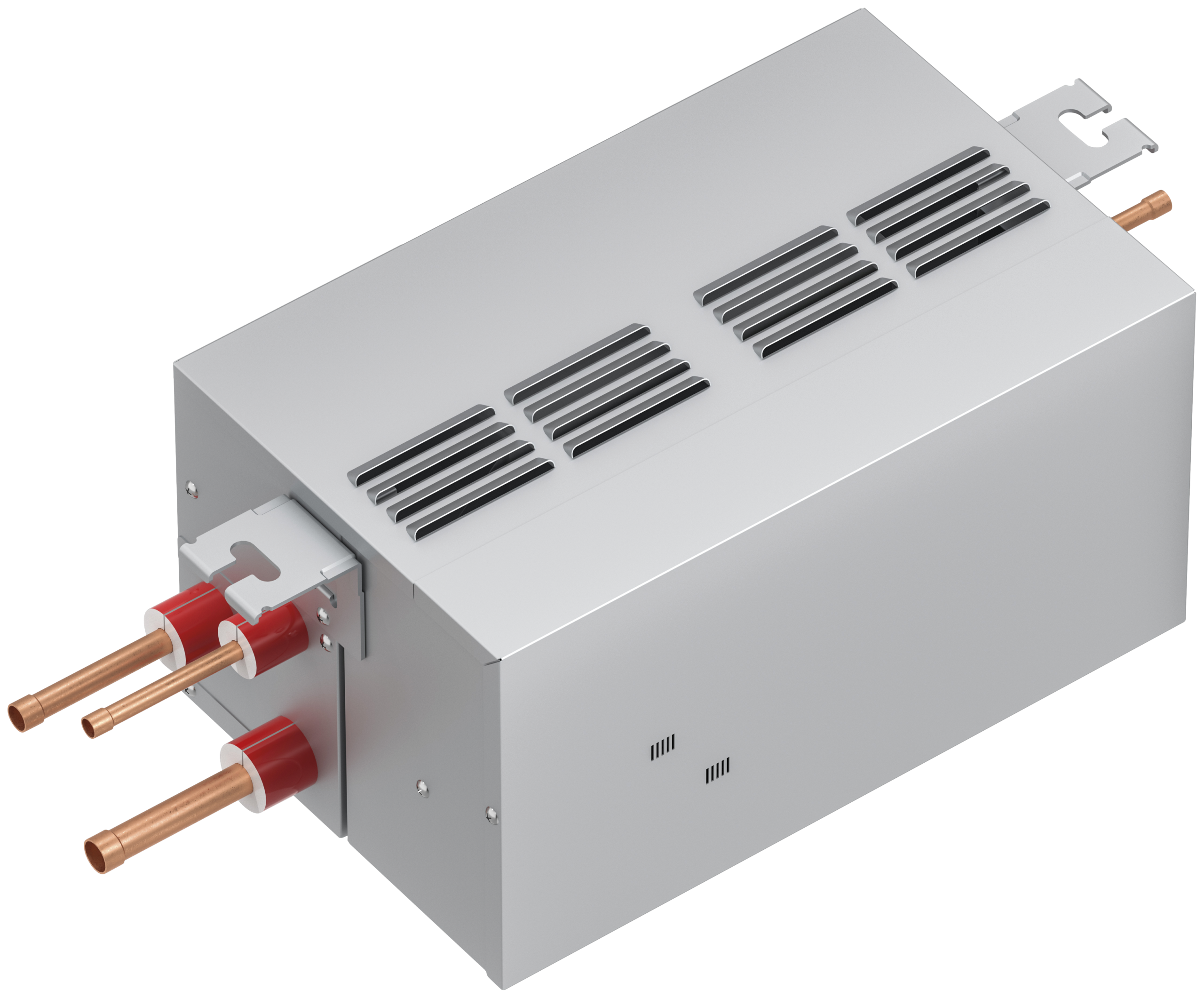
Single‑port heat recovery box for the 3‑pipe ECOi EX system. The safety valve manages the shutdown of only the area / zone experiencing a refrigerant leak, instead of shutting down the whole system.
PAW-PUDWB-1 – Basic Pump Down System for LZ2 Mini VRF
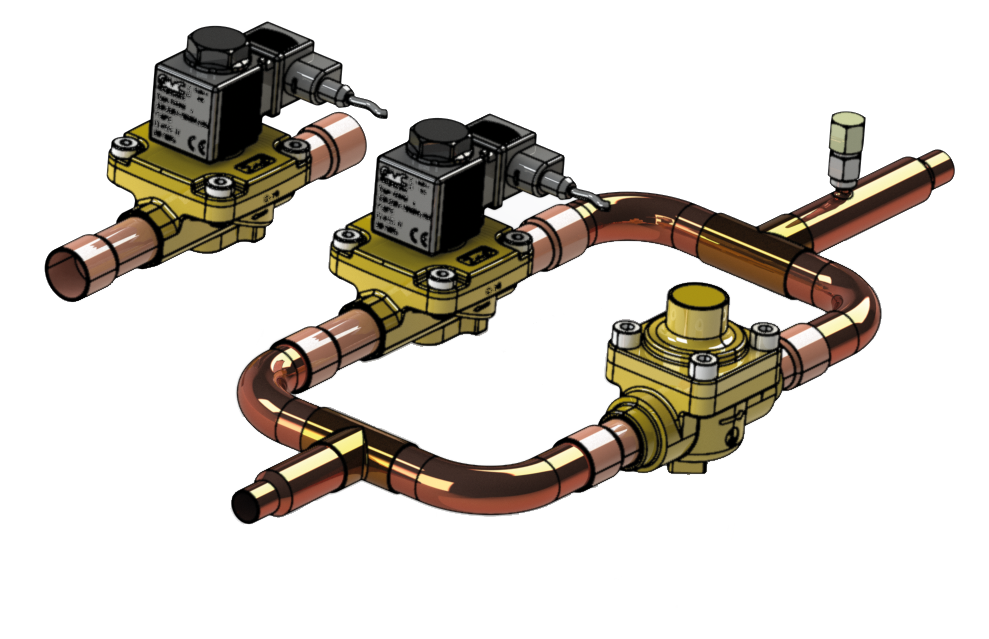
For installation as close to Condensing Unit as possible, but also with advice to take into account total refrigerant charge available in the building. This is a precise selection and needs a careful design approach. This will allow the system to go into Pump Down mode, recovering the refrigerant between the valve boxes and the condensing unit, ensuring that most of the refrigerant is isolated from the inhabited space.
Back to products